
The Role of Luck in Gambling
Luck is often perceived as a cornerstone of the gambling experience, especially in the vibrant atmosphere of casinos. Many players attribute their fortunes—both good and bad—to luck, believing it can sway the outcomes of various games. For instance, when a player strikes a jackpot on a slot machine, the exhilarating rush often leads them to credit their success to a fortunate twist of fate. Moreover, those who want to enhance their chances can explore options like casino rocket sign up to discover promotions that may improve their gaming experience. This belief in luck is so pervasive that it shapes the entire gambling culture, with players returning to tables and machines in the hope that the next round could bring them a similar stroke of good fortune.
However, the notion of luck is inherently subjective and varies significantly from one individual to another. While one player might leave the casino with pockets full of winnings, another could experience a string of losses, even in the same game or environment. This disparity raises intriguing questions about whether luck is a genuine force influencing outcomes or merely a comforting narrative players tell themselves to rationalize their experiences. Regardless of the outcome, the allure of luck continues to entice players, keeping them hopeful and engaged in the gambling experience.
Interestingly, research indicates that many gamblers engage in superstitious behaviors, convinced that certain rituals or actions can enhance their luck. This could range from wearing specific clothing items to following a particular routine when betting. Such behaviors illustrate a psychological intertwining of luck and belief, crafting a unique dynamic that influences how individuals approach their gaming experiences. Understanding this relationship is crucial for players seeking to navigate the complex landscape of casino gambling effectively.
The Science Behind Chance and Probability
While the allure of luck captivates many gamblers, it is essential to delve into the scientific principles of chance and probability that underpin the games played in casinos. Each game, whether it’s poker, blackjack, or roulette, is meticulously designed with specific odds that mathematically calculate the probability of winning. By grasping these probabilities, players can gain a clearer understanding of their chances, which helps to dispel the myth of luck as the primary determinant of success. For example, in blackjack, factors like the dealer’s upcard and the composition of the remaining deck influence the odds of winning.
Furthermore, modern casinos utilize random number generators (RNGs) in their slot machines and digital games to ensure fairness and randomness in play. This technology guarantees that every outcome is independent, meaning that no patterns or superstitions can dictate the results of a game. Recognizing that luck is often a narrative concocted by players can lead to a more informed approach to gambling, where decisions are based on strategy rather than chance.
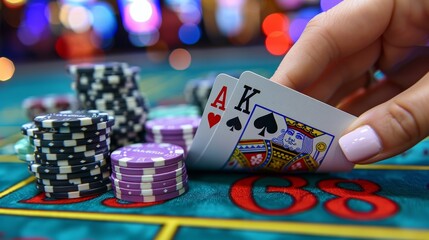
Players who familiarize themselves with the mathematical concepts behind their preferred games tend to make more rational and informed choices. For instance, understanding the house edge allows players to comprehend long-term expectations, which can temper the excitement generated by occasional ‘lucky’ wins. By integrating probability into their gambling strategies, players can navigate the casino landscape more effectively, balancing emotional responses to both wins and losses.
The Psychological Aspect of Luck
The psychological implications of luck in gambling are profound, as they significantly shape decision-making and gambling behavior. A common misconception among players is the “gambler’s fallacy,” the belief that past results influence future outcomes in games of chance. For example, if a gambler notices that a certain number hasn’t been rolled in a while during a game of roulette, they may mistakenly believe that it is “due” to appear soon. This cognitive bias illustrates the intricate relationship between luck and psychology, influencing how individuals perceive their chances of winning.
Moreover, the excitement associated with the potential for luck can lead to behaviors such as “loss chasing.” After experiencing a series of losses, players might feel compelled to make riskier bets in an effort to recover their losses. This drive to recover can often lead to even greater losses, underscoring the necessity of discussing responsible gambling practices. Recognizing these psychological triggers can help players make more informed decisions and maintain control over their gambling habits.
The thrill of a lucky win can create a feedback loop, where the exhilaration of winning reinforces the desire to gamble again. Casinos are designed to amplify these feelings with bright lights, celebratory sounds, and rewarding visuals accompanying wins. This environment further embeds the concept of luck within the gambling experience. Understanding these psychological influences is crucial for players who aim to cultivate a balanced and enjoyable gambling experience.
Strategies to Manage Expectations
Given the intricate interplay of luck, probability, and psychology, players should adopt effective strategies to manage their expectations while gambling. One essential practice is setting a budget before stepping into a casino. Establishing clear financial limits helps players maintain control over their spending, reducing the risk of making impulsive decisions driven by perceived luck or winning streaks. By sticking to a predetermined budget, players can enjoy the entertainment value of gambling without facing the consequences of financial strain.

Additionally, approaching casino games with a clear understanding of personal objectives—whether for sheer entertainment or the potential for profit—can significantly enhance the gambling experience. By focusing on the enjoyment of the game rather than solely on winning, players can foster a healthier relationship with gambling. This shift in mindset allows individuals to savor the thrill of the game while remaining less susceptible to the whims of luck.
Lastly, it is vital for players to recognize that gambling should never be regarded as a reliable source of income. The reality is that the house always has an edge, and while luck may occasionally favor someone, the odds are what truly dictates outcomes. Maintaining this perspective helps to minimize disappointment and encourages a more responsible approach to gambling, ultimately leading to a more positive experience overall.
Exploring Our Website for More Insights
For those fascinated by the intricate relationship between luck and success in casinos, our website serves as a valuable resource filled with insights and information. Here, you can discover a wide array of articles, expert opinions, and statistics that explore various aspects of gambling. Whether you are a novice looking to learn the ropes or a seasoned player seeking deeper strategies, our content is crafted to enhance your understanding of the dynamics within casinos.
In addition to articles, we offer practical tips and strategies designed to help you navigate the casino experience more effectively. From understanding the probabilities associated with different games to exploring the psychological effects of gambling, our goal is to empower readers with knowledge that can lead to more enjoyable and responsible gaming experiences. We encourage you to explore our resources and connect with our community for shared experiences and advice.
Ultimately, grasping the myriad factors that influence success at the casino, including the elusive role of luck, is crucial for fostering a balanced approach to gambling. Our website is dedicated to guiding you through this journey, ensuring that your experiences in the casino are both informed and rewarding. We invite you to delve into our content and enrich your understanding of the fascinating world of gambling.